
In the last five years, we have witnessed the horror of Australia’s wildfires, Indonesia’s tragic Sulawesi earthquake and tsunami, the terror of Hurricane Mathew, the anxiety of the European heatwave, and the growing effects of climate change that is leading to alarming future water shortages. ‘Environmental refugees’ is now a phrase gaining more attention in academic circles and fears of arising wars and conflicts are becoming serious concerns, especially in the continent most stereotyped with scorched dryness—Africa.
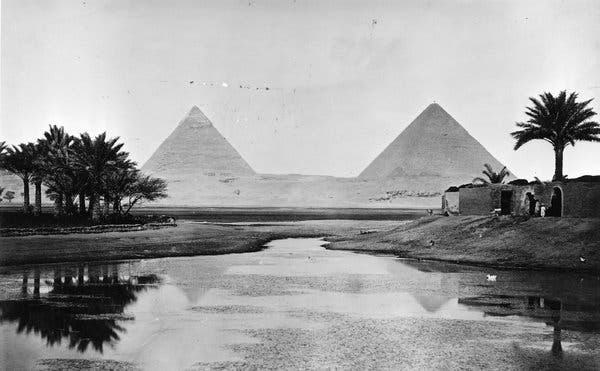
Arguably, fostering some of the most fertile soils in the world, Africa embraces the world’s longest river. Often referred to as the “Cradle of Civilization,” the Nile River measures up to 6,700 km. The White Nile and the Blue Nile are the two tributaries of the river, flowing from the Ethiopian highlands, in which both Niles converge at Khartoum, Sudan forming the mainstream river. Ultimately flooding into the Mediterranean Sea forming the Nile Delta at the ends of Egypt.
Since 2011, there has been an increasing interest in the Nile’s water supply mostly due to Ethiopia’s controversial project: the Grand Ethiopian Renaissance Dam (GERD). The dam has multiple concerning demographic and ecological factors that each riparian state—especially Ethiopia, Egypt, and Sudan—is preparing for. According to Okbazghi Yohannes, by 2025, the 10 riparian states are expected to face water scarcity. Political scientist, Aaron Tesfaye, speculates that the population surrounding the river’s basin is expected to harbor 336 million individuals by 2030. Thus, questioning whether the Nile water can support the continent’s agricultural and survival needs for water supply. Aside from population increase, the Nile’s growing ecological degradation is as concerning. Yohannes alarms that the Nile basin is one of 17 watersheds in the world that has lost 90 per cent of its forest cover. Global climate change is most likely increasing the frequency of droughts and floods in the Nile basin.
Continue reading Fieldnoted.